Everyone Wants to Be the Head Coach Until This Moment
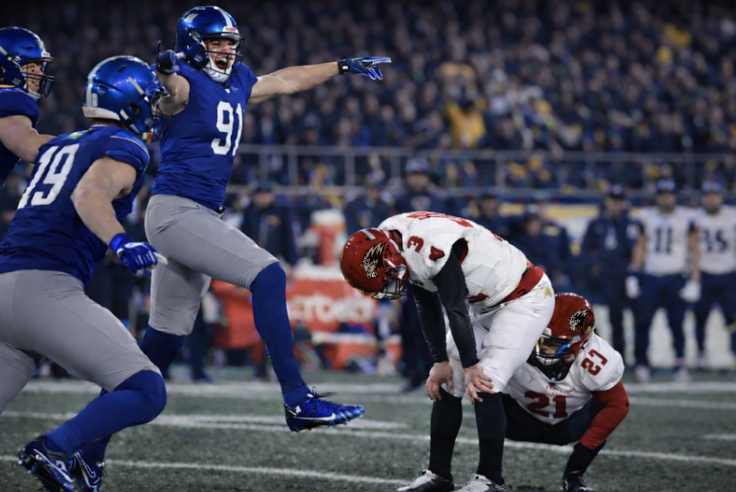
9:30 PM - Friday night - On the Road
A district game — win and you’re in the playoffs. Lose, and next week becomes a fight for survival.
At one point, it looked over.
Down 42–21.
Quiet, dejected sideline.
Home crowd is loud and the stadium is rocking.
But your team didn’t fold.
They fought.
Answered.
Scratched and clawed their way back possession by possession.
The defense forces a 3-and-out and creates two turnovers.
The offense scores on three straight possessions.
Momentum flips completely — a sideline that was once quiet is now certain, alive with energy.
A 30-yard field goal — with the best kicker you’ve ever coached — stands between your team and the greatest comeback you’ve had in years.
Winner takes the top of the district standings.
The snap is perfect.
The hold is clean.
Time slows.
The ball is struck well… then drifts.
Would it bend back?
Would it sneak inside?
DOINK!
The ball caroms off the upright and tumbles harmlessly away. The officials’ arms swing wide — no good.
Around you, frustration spills down the sideline.
Helmets come off.
Hands go to hips.
You wince for a split second — then you steady yourself.
They’re watching now.
All that fight.
All that belief.
Final.
No celebration. No music. Just the scoreboard glowing:
42–40.
No good.
And now comes the hardest part.
You put an arm around the kicker — then your focus shifts to what to say to your team on the field in a few moments.
This isn’t about the kick.
Your team needs you right now.
They need a dealer in hope.
And now, the hardest part of all — what happens next.
Your team just played its best game of the season. And still walked off with a loss.
After the handshake line, the team gathers for the post game talk.
Some stare straight ahead.
Some replay the same moment again and again, trapped in it.
You look out at discouraged faces — players who know they were close. Close to a win they would have remembered for years… now wishing they could forget it.
here is where head coaching gets hard.
Another game waits.
The last game of the season.
Win, and you’re in the playoffs. Lose, and it’s over.
And it’s not just anyone — it’s a very good team.
A cross-town rival that won’t give you anything.
There’s no time to linger. No space for regret.
The page has to be turned —and it has to be turned the right way.
So the real issue isn’t about tonight anymore.
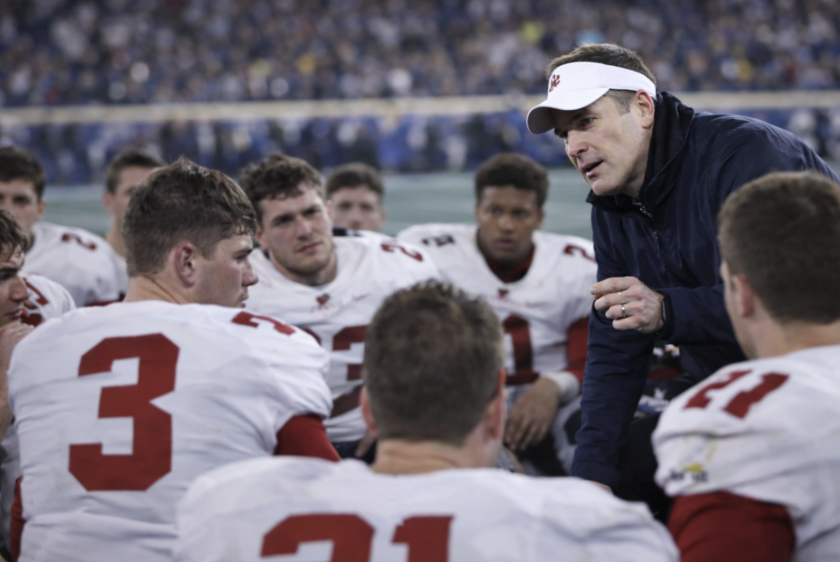
What do you say to the team — right now?
On the field at this moment?
When emotions are raw and the season is still very much alive.
In moments like this, after the result is final and before a word is spoken, leadership matters more than any play call. What follows is exactly how I would handle this moment as a head coach:
The band finishes the fight song.
The stands begin to empty.
You stand on the field, helmet in your hand, looking at faces you know too well — disappointed, frustrated, some angry. Eyes still drawn to the uprights. Jaws clenched. Shoulders tight.
When the noise fades and they gather around you, you speak.
“This hurts,” you tell them. “And it should.”
You let it sit.
“But there are winners and learners. Tonight, we learn.”
No speeches. No drama.
“You get 24 hours to feel this. Then we turn the page.”
You scan the group.
“We’ll watch the film. We’ll be honest. We’ll correct what needs correcting. And we’ll be better because of it. You have to trust us to do our job — to see this clearly, to make the right corrections, and to put the best plan together for this week.”
You pause.
“And we have to trust you to be mature enough to show up Monday with an attack mindset.”
You ask it straight and it shift the focus to the team.
“Do you trust us to figure out what went wrong and come up with the right plan?”
“Yes sir.”
They answer unified and with belief.
“Good,” you say. “Because we trust you and believe in you more than ever.”
“We expect tonight to hurt. But we also expect the best practice of the season on Monday.”
Your voice steadies — firm, confident.
This team doesn’t need comfort.
They need a convicted leader — someone willing to stand in front of disappointment and tell them the truth about what comes next.
“We love you guys. I’m honored to be your head coach.”
You pause and lock eyes with them.
“Hear me when I say this — when we’re sitting at the end-of-year banquet, this will be the moment we point to.”
You let it land.
“The night everything flipped. The loss that ultimately propelled our playoff run.”
Your voice stays firm and becomes more convicting and confident.
“This is the game that turned us into the team we’re going to become.”
A final beat.
“I can’t wait to get back on the practice field next week.”
You let that land.
“Not because it feels good right now — it doesn’t — but because we’re going to learn from it, correct it, and grow because of it.”
You pause.
“We’re a better team right now than you were three hours ago when this game started.”
Your tone doesn’t waver.
“The sun’s already up in Australia. It’s coming up here in the morning. And when it does, we move forward — stronger than we were tonight.”
When Next Week Comes, Players Must Lead Too
Leadership doesn’t stop when the lights go out.
What you say immediately after the game matters.
What you say on Monday matters too.
But here’s the truth every coach learns over time: even the best message doesn’t last — not from you, and not from your staff.
By the time the weekend arrives — and all through Monday — it’s the players who are talking.
In the locker room.
In the weight room.
In the hallway before practice.
And if you’re not intentional, those voices will fill the space with frustration, excuses, or doubt.
That’s why leadership has to be trained, not assumed.
Would your captains know what to do in a moment like this?
Would you have players — captains or members of a leadership council — who know what to say, who can steady the group, protect the culture, and help lead the team through the storm when emotions are highest?
That question is what eventually led me to build a simple, captains-first leadership framework — not as a program, but as preparation. A way to train player leadership before moments like this arrive, so when they do, your team already has the right voices in place.
Because when players lead well, they reinforce the message long after the coaches step away.
Moments like this don’t just test teams.
They reveal whether leadership was prepared in advance.
And that preparation often determines what the next Friday night looks like.
Because the sun is coming up — and great head coaches help their teams believe tomorrow will be better, and that this loss can become a turning point.