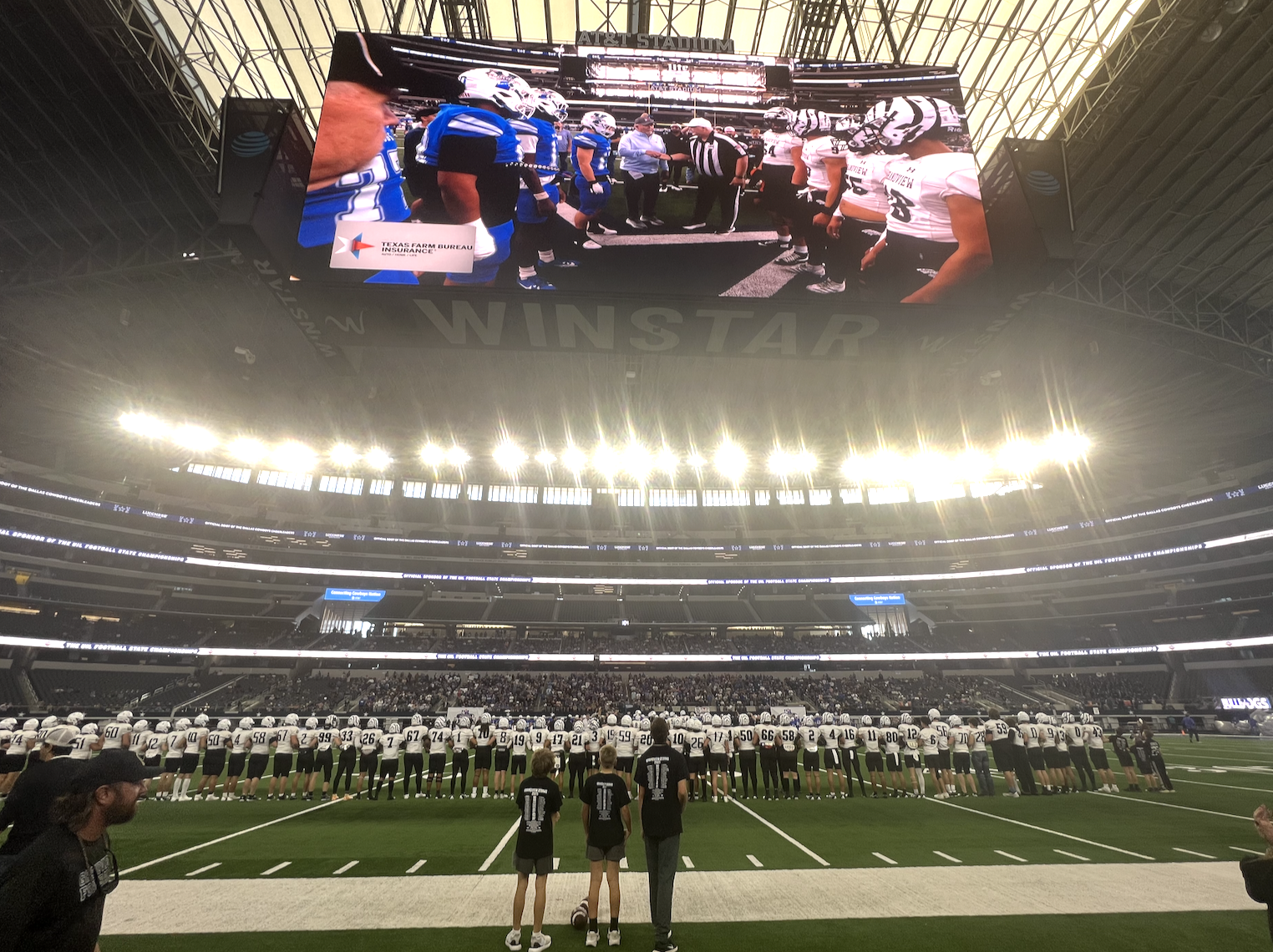
When the Clock Hit Zero, I Was Standing Among Winners
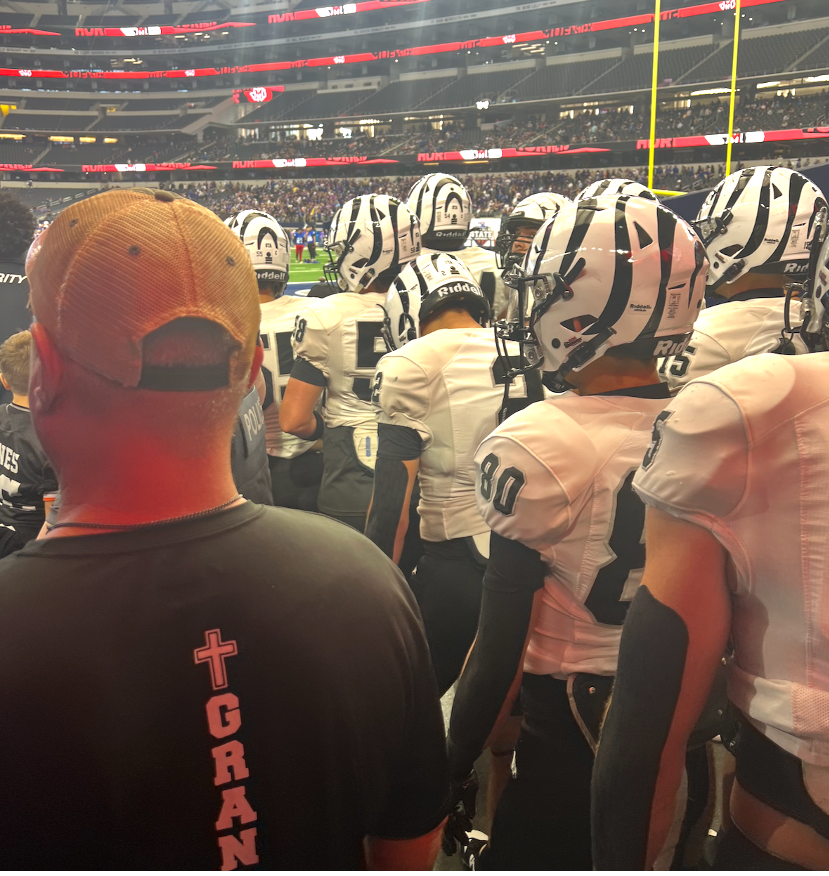
“BWWWAAAHHNNK!” “BWWWAAAHHNNK!”
The blast of airhorns echoed again through AT&T Stadium.
Another Yoakum touchdown. Another reminder on the scoreboard that the 3A Division I state championship game was slipping further out of reach. The Grandview Zebras sideline was quiet—but only for a moment.
Almost immediately, a player’s voice cut through the noise.
“We’re OK, guys! We can do this! Keep fighting!”
Yoakum had jumped out fast, running the ball at will and building a 24–0 lead before Grandview could catch its breath.
On a massive stage like this, teams usually reveal who they really are. Some get shell-shocked—going through the motions, playing for appearance, emotionally checking out as they begin to accept the outcome. Others respond differently. They fight. They scratch. They claw. They stop worrying about how it feels and start doing what they’ve been built to do—keep going. Teams made up of winners choose that second path.
The weight is unmistakable. There’s nothing clever to dial up. No words that change reality. All you can do is keep believing and watch how your team responds.
I’ve stood on that sideline before. I know how heavy those moments feel. Panic wants to creep in. Doubt whispers. The question becomes simple and brutal: How do you keep your team fighting when everything says the game is slipping away?
That’s where the Zebras and head coach Ryan Ebner were now.
What I witnessed next was a masterclass in composure, leadership, and grit.
I heard a coach say calmly, “Keep your head up. One score before half and we’re back in it.”
Players stayed present. They kept competing. They focused on winning the next play.
No finger-pointing.
No frustration.
No yelling.
No victim mentality.
Not once did a coach have to remind, ask, or coax a player to keep playing hard.
Just… back to work.
Coach Ebner never flinched. His expression didn’t change. He stayed neutral, steady—exactly what his players needed to see.
None of that felt accidental.
Grandview is a blue-collar town of about 1,900 people, where the high school—just 420 students strong—sits an hour southwest of Fort Worth. These players didn’t find each other through a portal. They grew up together. They learned the game together. Many have worn Zebra black and white since they were kids. In an era of shortcuts and constant movement, Grandview stands apart.
Then it happened.
With 25 seconds left before halftime, the Zebras punched it in from the one-yard line. You would’ve thought they had just tied the game.
The sideline erupted.
They had life.
They went into the locker room with momentum—and belief.
I paused on the sideline, unsure if it was my place to step into such a private moment for a team still fighting to stay in the game. My connection with them had been brief—one Zoom with the leadership council in July and just two in-person moments over the past couple of weeks. Still, it felt right to be there. Not to speak. Not to lead. Just to be present—to stand quietly in the background and honor what this group had built together.
The locker room was quiet—but it wasn’t heavy.
No slumped shoulders. No staring at the floor. Coaches moved from group to group, teaching, correcting, and making adjustments for the second half. Players listened. Eyes were up. The mood wasn’t disappointment—it was resolve. They weren’t done fighting.
Coach Ebner’s message was perfect.
“We’ve been here before. We’ve been down in every playoff game. We’re fine. Keep playing. Let’s go score on this drive and see what happens.”
That was it. No theatrics. No raised voice. No speeches about destiny. Just calm, steady belief—win this drive, then line up and win the next one.
Grandview was getting the ball to start the second half. If they could score, the momentum could swing hard. The stadium would feel it.
That didn’t happen.
A Zebra fumble.
Another Yoakum touchdown.
Then another.
38–7.
The scoreboard said the ending was written.
And that’s where this story really begins.
Because what I witnessed in the fourth quarter is the reason I’m writing this.
Winning is an event.
Being a winner is who you are.
Winners are defined not by outcomes, but by how they respond when the outcome is no longer in doubt.
Yoakum would go on to win the championship. But I was standing among winners.
The Zebras never stopped fighting.
There was no “butt-chewing” after mistakes. The coaches kept coaching. The players kept responding. No sulking. No blame. No “poor me.”
I remember thinking more than once, that’s the hardest I’ve seen a running back carry the ball in years.
But it wasn’t just one position.
Receivers were sprinting to finish blocks. Linemen were straining like it was the first quarter. Defenders were laying out for tackles they didn’t have to make. Guys could’ve protected themselves. They didn’t. They chose effort. They chose their teammates.
That’s what winners do when the score says it’s over.
Their effort never changed.
Most of these kids were playing both sides of the ball. They were exhausted. They knew the scoreboard—and they chose to compete anyway.
Because winners don’t look at the scoreboard.
They play hard whether they’re up big or down big.
Grandview scored with 31 seconds left in the third quarter. The sideline exploded again—not out of delusion, but belief.
I caught myself thinking, these guys are still fighting to win it—and that’s incredible.
Then came a perfectly executed onside kick.
Recovery Zebras!
Down 38–15. Yoakum hadn’t punted all day. And yet the Zebras believed a miracle was possible.
Grandview scored again.
Momentum surged.
The sideline was now on fire—loud, urgent, fully alive.
38–21.
Yoakum answered.
45–21.
Most teams would fold there.
Not these guys.
Players limping—guys I assumed would tap out—stayed in the game. Yoakum is a physical, downhill, run-first team. And still, Grandview played like the score was tied.
They scored late again to make it 45–29.
Down 24–0.
Down 38–7.
Most teams would’ve folded long before that point.
Not the Zebras.
Congratulations to the Yoakum Bulldogs on winning the state championship. They earned it.
Winning matters. It’s a result. It’s something you work for, celebrate, and remember.
But being a winner is something else entirely.
Being a winner is who you are. It shows up in how you respond when things don’t go your way, how you keep working when the outcome isn’t guaranteed, and how you carry yourself when quitting would be easier.
Winners don’t stop when it gets hard. They learn. They adjust. They fail forward. They keep showing up and doing the work—on the field and everywhere else life asks something difficult of them.
As the clock finally hit zero, one team walked off with a trophy.
I walked off knowing I had just stood among winners.
“Champions are not champions because they win; they win because they are champions.”