The Night I Coached Against Maxx Crosby
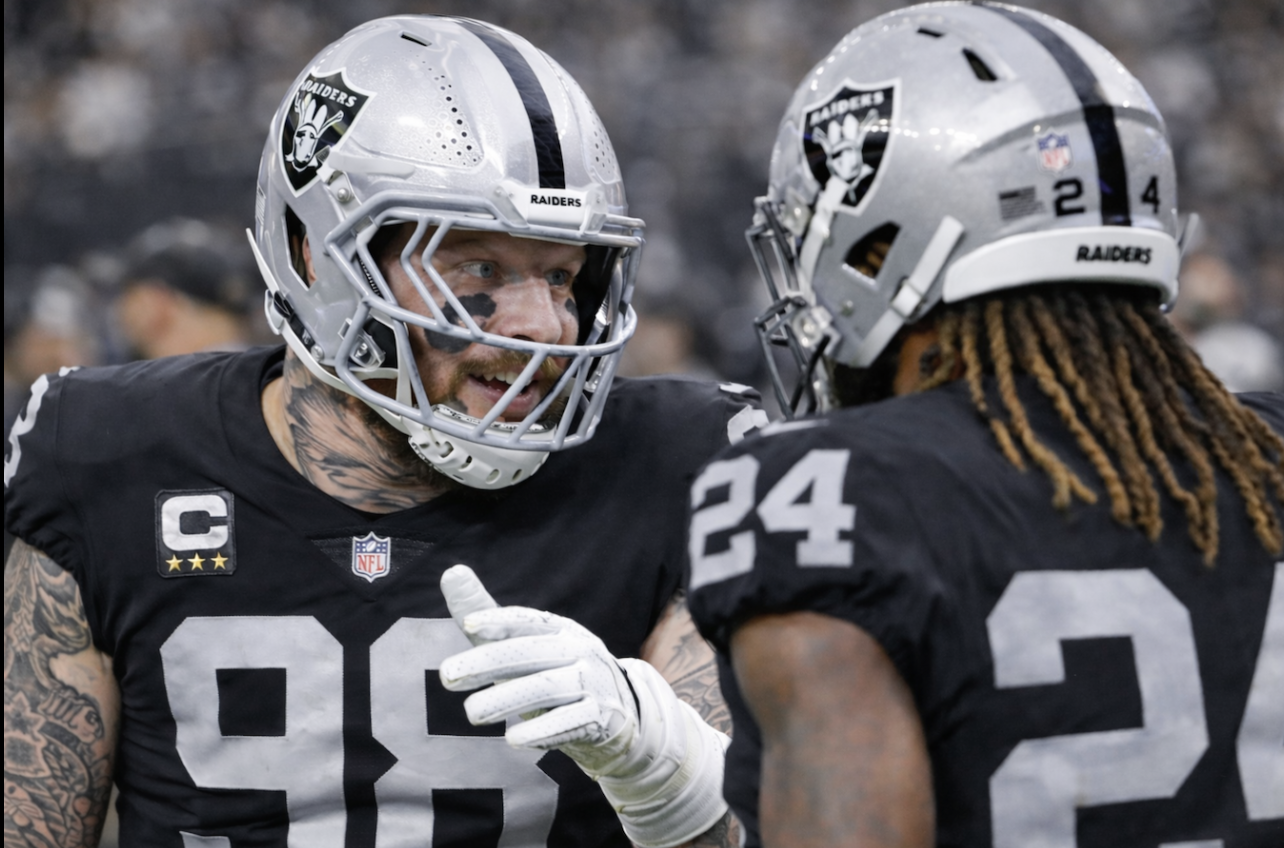
In 2014 I was in my second game ever as a head coach at Grapevine High School in Grapevine, Texas.
We were playing our crosstown rivals, Colleyville Heritage.
They were good.
We were… not.
The score was 31–0 early in the 4th quarter, and it had already been a long night. Then it got worse.
Their defensive end came off the edge and hit our quarterback. Totally clean play—just football—but our QB’s shoulder was dislocated.
The name on the back of that defensive end’s jersey?
Crosby.
Yes… Maxx Crosby.
After a strong career at Eastern Michigan, Crosby was selected in the 4th round of the NFL Draft.
Since then, he hasn’t just become a good player — he’s become one of the most dominant pass rushers in the NFL, widely considered among the top three at his position.
But what stands out even more is how he’s carried himself as a leader.
Through losing seasons, coaching changes, and plenty of chaos around the organization, Crosby has never complained publicly or demanded his way out.
Instead, he’s done what great leaders do.
- He’s shown up.
- He’s worked.
- He’s competed.
And he hasn’t just been a great player — he’s been a team captain and a leader in that locker room.
When things weren’t going well, he didn’t point fingers or distance himself from the team.
He leaned in and led the way forward.
Now with the recent trade situation not going through, a lot of people are wondering what happens next.
Coaches understand something about this moment.
Rule #1 for Building a Great Team:
Your Best Players Must Also Be Your Best Leaders.
Teams become dangerous when their best player is also their best leader.
That doesn’t happen by accident. As coaches, we have to water that grass and cultivate it—developing our best players into our best leaders.
I’ve been a Raiders fan since I was eight years old, and although it’s been a rough couple of decades…
I’m fired up that Maxx Crosby is still in that locker room. Because when the best player is also the leader, and he decides to turn it up another notch…the whole team rises with him.
Here’s the takeaway for coaches:
If your best players aren’t your best leaders yet, build an environment that makes it happen.
Water the grass and celebrate them.
Develop them.
Challenge them.
Give them responsibility.
Some coaches do that through a leadership council.
Others do it through daily accountability and culture.
But the goal is the same.
Because when the best players become the best leaders…programs change.
Keep building-
Randy